What is propolis made of?
Propolis (or bee glue) is a resinous substance produced by honeybees from plant materials they collect, mixed with their own secretions. Its exact composition varies significantly depending on factors like geographical location, the types of bees, the local plants/trees (such as poplar, birch, or conifers), the season, and the hive environment.
A commonly accepted average breakdown of raw propolis is:
- Resins and balsams (from plant sources): 45–55% — the primary active portion
- Beeswax and fatty acids: 25–35%
- Essential oils and other volatile/aromatic compounds: 10%
- Pollen: 5%
- Other organic compounds (including minerals, amino acids, sugars, etc.): 5%
Propolis contains more than 300 identified compounds, but the most important bioactive ones are polyphenols (especially flavonoids and phenolic acids), which are largely responsible for its well-known antimicrobial, antioxidant, anti-inflammatory, and other health-supporting properties.
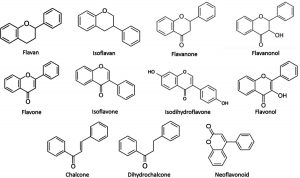
Key Bioactive Compounds
- Flavonoids — major contributors to biological activity (examples include pinocembrin, chrysin, galangin, quercetin, kaempferol, and rutin)
- Phenolic acids and derivatives (examples include caffeic acid, ferulic acid, p-coumaric acid, cinnamic acid, and caffeic acid phenethyl ester or CAPE)
Minerals and Vitamins
Propolis also provides trace amounts of essential minerals such as magnesium, calcium, potassium, sodium, iron, zinc, copper, and iodine.
It contains small quantities of vitamins, primarily:
- B vitamins (B1, B2, B6)
- Vitamin C
- Vitamin E
- Vitamin P (a group often referring to bioflavonoids)
In summary, propolis is a complex, natural mixture with a core of plant resins enriched by bees, and its health benefits stem mainly from its rich polyphenol content — especially flavonoids and phenolic acids — which can vary by region.